
What changes when the floor belongs to a business
A business floor has an audience and a workload. Customers judge a lobby, salon or showroom by what they see underfoot. Employees need traction and a surface that is easy to clean. And the business needs the floor back quickly, because every day closed is a day without revenue.
We have coated shops, salons, lobbies and a barber school, and the approach is the same each time: understand the traffic and the timeline, then pick a system that meets both. For background on the systems themselves, see epoxy flooring.
Systems for commercial spaces
Flake for shops and work areas
For metal buildings, shops and service bays, a full-broadcast flake system is the workhorse. It hides tire marks, dust and minor scuffs, and its texture gives better grip than a smooth coating. Daniel A. described one: “Mario was super easy to work with and the crew showed up ready to work. Very respectful and attention to detail was amazing. We did a 30x40 shop and it looks amazing.” The metal building shop floor in our gallery shows what that kind of space can look like. More detail is on the flake epoxy flooring page.
Metallic for customer-facing rooms
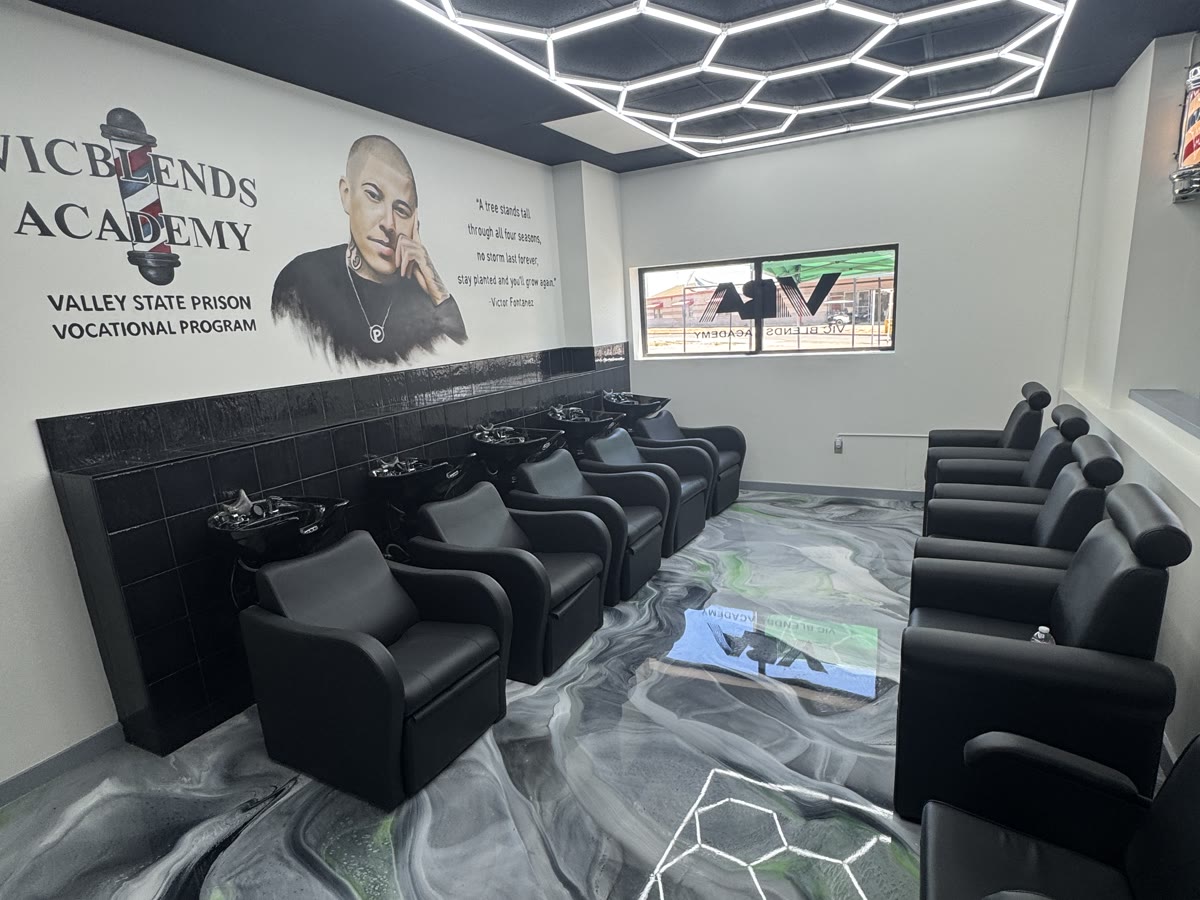
Salons, studios, lobbies and boutiques often choose metallic for its one-of-a-kind look. It turns a basic slab into a design feature. Maria S. summed up her result: “Awesome work! Made my lobby look so good!” The barber school metallic floor is another example of metallic in a busy commercial setting. The metallic epoxy page covers how it holds up and what to watch for.
Polished concrete for open, heavy-use floors
For warehouses and large open floors with a sound slab, polished concrete avoids a coating altogether and stands up well to traffic. It depends heavily on the condition of the existing slab, which we will assess honestly. Our concrete polishing page explains what to expect.
Problems commercial floors face
Downtime and scheduling
The best floor in the world is a bad deal if it closes you for a week. We plan the work around your hours where we can, break large areas into zones, and use fast-cure topcoats where the slab and conditions allow. Moisture problems or heavy coating removal can extend the schedule, and we will tell you about that before work begins.
Loads and wear
A salon chair base, a rolling tool chest, a vehicle lift and a pallet jack each stress a floor differently. Point loads can dent or wear a thin coating, and dragged equipment scratches smooth finishes. We ask what will sit on and roll across the floor and size the system accordingly.
Chemicals and spills
Hair color, developer and cleaning products in salons, or oil, coolant and solvents in shops, all damage bare concrete. A cured resin floor gives those substances a nonporous surface to sit on until someone cleans them up. If your space uses particularly aggressive chemicals, tell us which ones so we can confirm the topcoat is suited to them.
Slip resistance
Floors open to the public need traction in wet conditions, especially near entrances, sinks and wash areas. We build anti-slip aggregate into the topcoat where it is needed and can vary the texture so the floor is grippier in some zones and smoother in others.
Matching the system to your business
Salons and barbershops
Hair color, developers and constant sweeping are the main concerns. A metallic or solid-color floor gives a clean, upscale look that is easy to keep tidy. Chair bases and rolling stools should sit on proper casters or mats, and a satin topcoat hides fine scratches better than high gloss.
Shops and metal buildings
Vehicles, lifts, tool chests and spilled fluids call for a full-broadcast flake system with a tough topcoat. Texture helps traction when floors are wet from washing or tracked-in rain.
Lobbies and offices
These spaces are mostly about foot traffic and first impressions. Metallic and solid-color systems both work, and polished concrete is an option where the slab allows. Walk-off mats at the entry keep grit off the floor and extend the life of the finish.
Schools and training spaces
Training floors see steady traffic from students and equipment moving around. A durable, easy-to-clean system that still looks sharp, like the metallic floor at our barber school project, can stand up to that use and keep the space presentable.
Lines, logos and zones
Commercial floors sometimes need more than one color. Safety lines in a shop, a contrasting walkway in a showroom or a color change between work and waiting areas can all be built into the system during install. Planning those zones before the base coat goes down gives cleaner edges than trying to add them afterward.
Prep is non-negotiable
Commercial slabs often have a history: old coatings, adhesive from previous tenants, saw cuts, patched trenches and contamination. Everything loose has to go. We grind with planetary diamond grinders and HEPA dust extraction, repair cracks and joints, and test for moisture before choosing primers. That prep is what lets a commercial floor last under daily use.
Maintenance for business floors
A coated floor stays sharp with a regular routine: dust mop daily, damp mop or auto-scrub with a pH-neutral cleaner, and use walk-off mats at entries to catch grit. Chairs and carts should have casters suited to resin floors. High-traffic lanes may eventually need a fresh topcoat, which is far less disruptive than replacing the whole floor.
Keep a short log of what spills where and which areas wear first. That record makes the next maintenance coat faster to plan and keeps the floor looking consistent from the entry to the back room.

