Bringing a coated floor indoors
Resin floors started in garages and warehouses, but more homeowners now want them inside: in living rooms, family rooms, bedrooms, home offices and gyms. A coated slab is seamless, simple to clean, and can be anything from a quiet solid color to a dramatic metallic.
Indoor work brings requirements that garage work does not. The house is often lived in during the project, other flooring has to come out first, and the finished edges need to look like part of the architecture. This page covers those details. For the systems themselves, start with epoxy flooring.
Systems that suit living spaces
Metallic epoxy
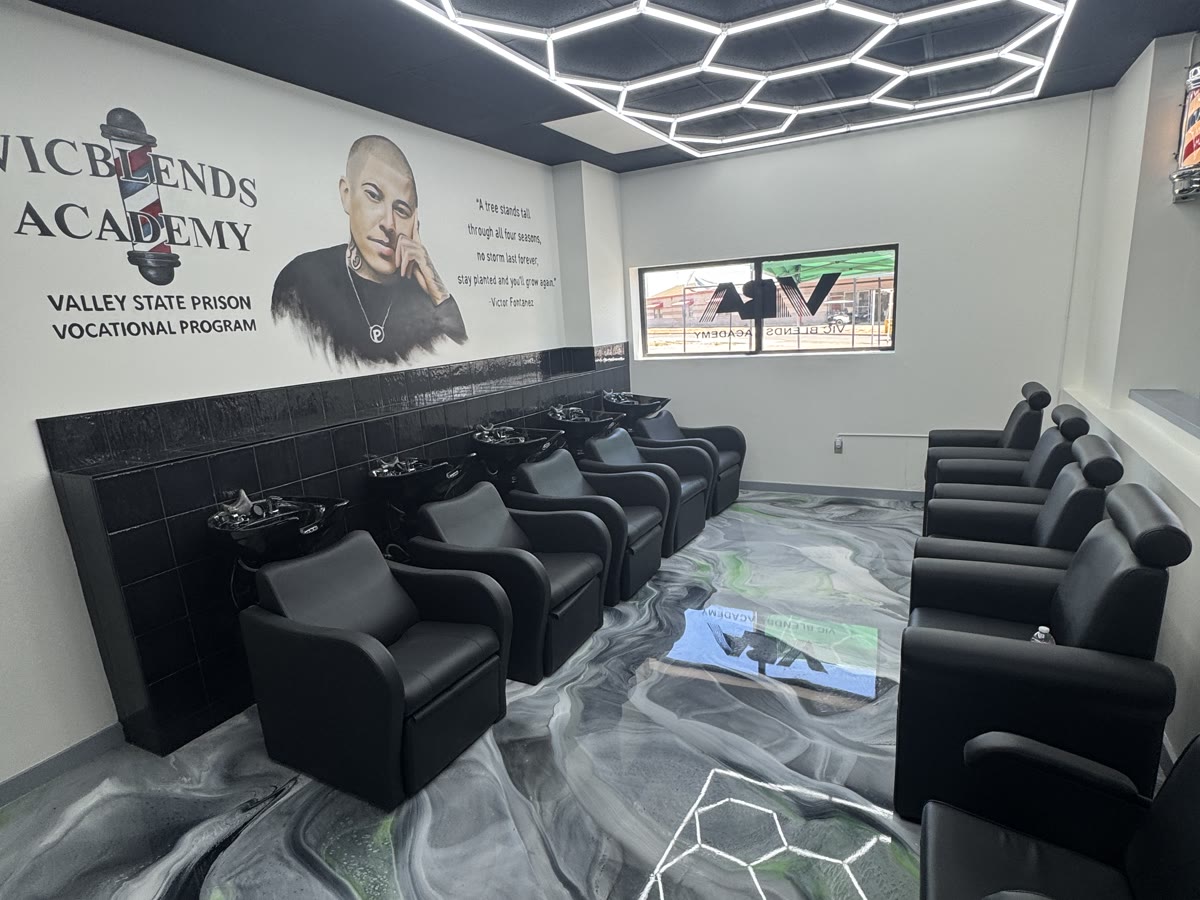
Metallic is the most requested interior finish. It turns a plain slab into something that looks like marble, stone or flowing water, and it suits open living areas especially well. Lovelhie L. described hers this way: “We are so happy with our new metallic resin floor!.. the metallic finish has so much depth and shine, it honestly looks like something out of a showroom.” The metallic epoxy page explains how those floors are poured and worked.
Solid-color epoxy
A single color with a clear topcoat gives a clean, modern look, especially in offices, studios and gyms. It is simpler than metallic but shows dust and scratches about as readily.
Polished concrete
If the slab underneath is in good shape and you like an industrial look, polishing may be an option. It avoids a coating entirely but depends heavily on the condition of the concrete, which is often marked up by years under carpet or tile. See concrete polishing for an honest look at what that takes.
Problems specific to interior floors
Getting down to concrete
Most interior projects start with demolition. Carpet and pad come up, tack strips are pulled, tile is broken out, and adhesives are left behind. All of it has to be ground off before a coating can bond. Our concrete grinding page covers how we handle glue and thinset.
Expect surprises once the floor is exposed. Old cracks, patches and plumbing trenches often show up only after carpet comes out. We repair them during prep, and on metallic floors they need extra attention because metallic resin can highlight repairs.
Dust inside the house
Grinding inside a lived-in home is the part people worry about most. Our planetary grinders connect to HEPA dust extractors that capture dust at the cutting head. We also tape off doorways and cover vents in the work area. It is not dust-free, but it is far cleaner than most people expect.
Moisture from the slab
House slabs can carry moisture, particularly older ones or slabs poured without a vapor barrier. Carpet and tile often hide this because they breathe or tolerate it. A resin coating does not. We test before quoting, and a moisture vapor barrier primer goes down first when readings call for it.
Edges, transitions and doors
Indoor floors meet baseboards, door frames, cabinets, stairs and adjoining floors. We plan every edge before we start. Baseboards may be removed and reinstalled, or we may coat up to them. Transitions to wood or carpet get the right trim profile, and if the floor height changes slightly, doors may need trimming so they swing freely.
Living with a resin floor
Coated floors are firm and cool underfoot, which many people enjoy in a valley summer. Rugs add warmth and softness where you want them. Furniture should have felt pads, and chairs that roll should use soft casters or a mat.
Cleaning is mostly dust mopping and a damp mop with a pH-neutral cleaner. Avoid soap-heavy cleaners that leave a film and dull the sheen. High-gloss finishes show more scratches and smudges; a satin topcoat is more forgiving in busy rooms.
Rooms that work well, and ones to think twice about
Living rooms, family rooms, bedrooms, offices and home gyms are all strong candidates. They see foot traffic and furniture, which coatings handle well, and they benefit from a seamless, easy-to-clean floor.
Kitchens work too, though dropped cast iron or ceramic can chip any hard floor. Laundry rooms and mudrooms benefit from coatings because water and dirt wipe away easily, but they deserve a satin or lightly textured topcoat for grip.
Sunrooms and spaces with large south- or west-facing windows need extra thought. Direct sun through glass can shift the tone of epoxy-based finishes over time, especially metallics. A UV-stable topcoat helps, and window film or shades help more.
Bathrooms are possible but involve more cutting around fixtures and careful edge work. We will tell you honestly if a space is better served by another flooring type.
Comfort and sound
A resin floor is harder than carpet and reflects sound more than wood. Rooms with high ceilings or lots of glass can feel echoey once carpet is gone. Area rugs, curtains and upholstered furniture soften the sound and add warmth, and many owners plan a rug for each living area from the start. Hard floors also feel cool in winter, and slippers or a rug at the bedside solve that for most people.
Planning the project
We usually work room by room or in connected zones, so you have a path through the house and a place to stay out of the work area. Odor is strongest during application and fades as the floor cures. We will give you a schedule that shows when each area is off limits.
For inspiration, the champagne metallic rooms and the magenta pearl metallic interior in our gallery show two very different directions for living spaces.