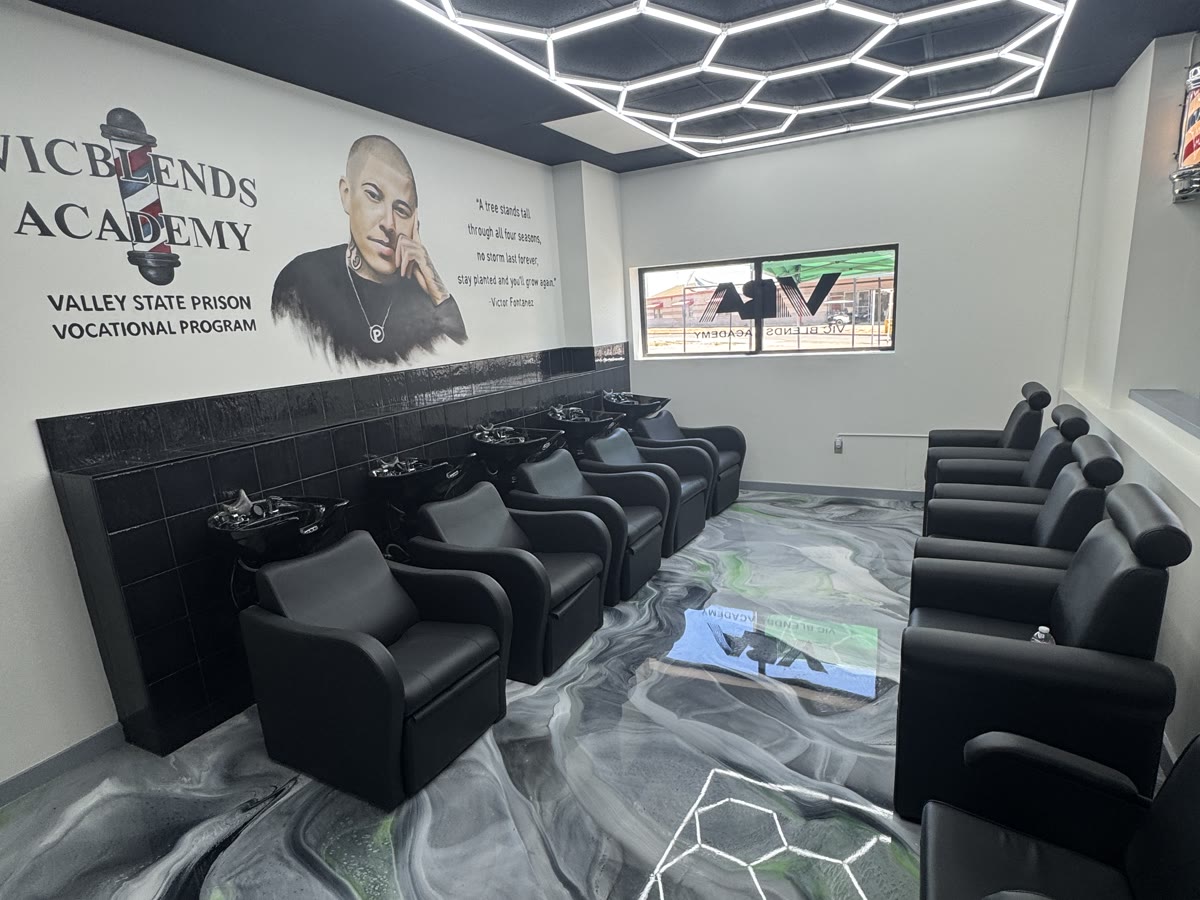
What makes a metallic floor different
Most coatings are about coverage. A metallic floor is about movement. Fine metallic pigments are mixed into a clear resin, and as that resin is spread and worked, the particles turn and catch light at different angles. The result reads like marble, polished stone, moving water or molten metal depending on colors and technique.
That is also why every metallic floor is a one-off. Two rooms poured from the same buckets on the same day will not be identical. If you want a uniform, repeatable look, a flake or solid-color build from our epoxy flooring lineup will serve you better.
How we install it
The slab has to be flat
A flake floor hides small dips. A metallic floor puts a spotlight on them, because the resin pools in low spots and runs thin over high ones, which changes the color. We spend more time grinding and patching on metallic jobs than on any other system. Our approach to flattening and repair is covered on the concrete grinding page.
Base color sets the mood
The tinted base coat under the metallic layer matters more than most people expect. A black base makes silver and copper glow; a white base keeps a gray marble soft and bright. We will show you sample boards over different bases so you can see the difference.
The pour is a timed job
Once the metallic coat is mixed, the crew has a limited window to pour, spread and manipulate it before it starts to set. We work in planned sections with enough hands on site to keep a wet edge, which is how you avoid visible lap lines between areas.
Topcoat choices
A clear topcoat protects the metallic layer and decides the final sheen. We can leave it high gloss for maximum depth or knock it back for a softer look that hides wear a little better. A fine anti-slip additive is an option for areas near doors.
Where metallic works best
Indoors, metallic is hard to beat. It is seamless, easy to keep clean and it makes even a plain spare room feel finished. Bedrooms, family rooms, home gyms and offices are all common candidates, and our interior epoxy floors page covers the extra prep and protection that living spaces need.
Businesses like it for the same reasons. Salons, lobbies and small showrooms get a floor that customers notice. Adriana R. said of her salon, “The detail and metallic shimmer is stunning.” Our commercial epoxy flooring page goes into what changes for business spaces.
Garages are possible but deserve a frank conversation. Dayna J. chose one and wrote, “We opted for the new metallic garage floor and we couldn’t be happier. It was a little on the pricey side but well worth it!” That is a fair summary: it costs more than flake because of the extra prep and labor, and it shows more wear.
What to know before you commit
Scratches and dust
A metallic floor is smooth and reflective. Grit dragged across it leaves fine scratches you can see in raking light, and dust shows more than on a speckled floor. Entry mats, felt pads and regular dust mopping go a long way.
It will not match the photo
Gallery photos are a guide to color and style, not a template. We can steer the pattern, the density of the veining and where the highlights generally go, but the final floor will be its own thing. Most clients end up glad of that.
Sunlight
Metallic systems are built from epoxy, and epoxy reacts to UV. A floor next to a sliding glass door or in an open garage that bakes in the afternoon can shift in tone over time. A UV-stable topcoat helps, but for areas with strong sun we will talk through alternatives.
Choosing a style
Metallic floors fall into a few broad looks, and each one is achieved with different tools and timing.
Marble and veining
Thin, defined veins over a softer field of color, built by working the resin in directional passes. Grays, whites and creams are popular for a stone look in living spaces.
Ocean and wave patterns
Broad, sweeping movement with color shifting from light to deep, often in blues, teals and coppers. These patterns suit open rooms where the eye can follow the flow.
Lava and cell effects
Clusters of cells and lacing created by working the surface at the right moment. It is the boldest look and usually pairs dark bases with bright metallics like gold or bronze.
Caring for a metallic floor
Because the surface is smooth and reflective, grit is the main enemy. Walk-off mats at entries catch most of it. Dust mop several times a week in busy rooms and damp mop with a pH-neutral cleaner. Felt pads under chair and table legs prevent the fine scratches that otherwise show up in reflected light.
If the topcoat dulls in traffic lanes after years of use, it can be lightly abraded and recoated. That refreshes the sheen without disturbing the metallic layer beneath. Rolling office chairs deserve special mention, because hard plastic casters scratch quickly; soft urethane casters or a clear chair mat solve the problem.
See finished metallic floors
The gallery has several worth studying side by side. Compare the cool tones of the gray marble metallic garage with the warmth of the black and gold metallic floor, or look at how a pale base reads in the white marble metallic home. You can also see sample boards at our Tracy showroom on W Larch Rd, which is the most reliable way to judge color.