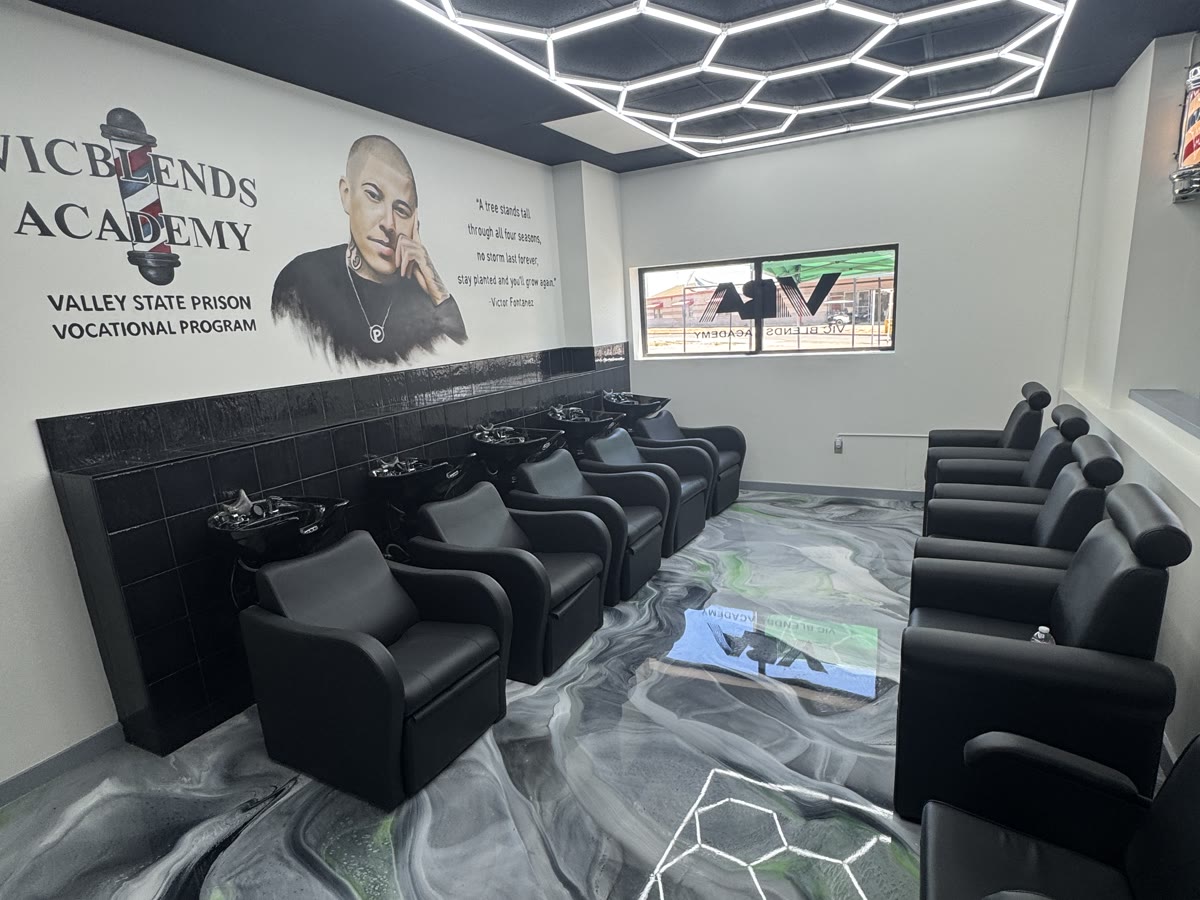
Metallic epoxy is a decorative resin floor that uses metallic pigments suspended in clear epoxy to create movement, depth, and a high-gloss finish. Indoors it can read like polished marble, swirling stone, or poured metal. It is a great choice for living rooms, salons, lobbies, and showroom-style spaces, with one honest caveat up front: metallic floors show scratches and dust more than flake floors do, so they suit people who like the look enough to care for it.
What a metallic floor actually looks like
Photos rarely do metallic floors justice because the effect changes with light and angle. Walk across one and the surface seems to shift. Some areas look deep and dark; others catch light and shimmer. Lighter pigment combinations can look like veined marble. Darker ones with bright accents can look like molten metal or a night sky.
Customers tend to describe the depth first. Lovelhie L. wrote, “the metallic finish has so much depth and shine, it honestly looks like something out of a showroom.” In a commercial space, Adriana R. said of her salon, “The detail and metallic shimmer is stunning.”
Every floor is one-of-a-kind
A metallic floor is not printed or patterned. The installer pours pigmented epoxy and works it by hand with rollers, brushes, and other tools while the resin is still flowing. The pigment settles and moves as it cures. You choose the colors and the general style, from subtle and calm to bold and high-contrast, but the final pattern is created on the day. Two rooms poured with the same colors will not match exactly, and that is the point.
If you need a floor that looks perfectly uniform from wall to wall, metallic is not the right system. If you want a floor that looks like art, it is hard to beat.
Where metallic shines
Living rooms and open-plan spaces
Large uninterrupted areas show off the flow of a metallic floor best. Open living, dining, and kitchen areas give the pattern room to move. Our white marble metallic home and champagne metallic rooms are good examples of lighter, softer looks inside a house.
Bold accent rooms
A home office, game room, bar area, or media room can carry a darker or more dramatic floor. The black and bronze metallic room and magenta pearl metallic interior show how far the look can go.
Salons, lobbies, and studios
Customer-facing spaces benefit from a floor people remember. Metallic floors are seamless and easy to sweep, which suits salons and studios where hair, dust, and product hit the floor all day. The barber school metallic floor is a working example.
Showroom garages
Some homeowners want their garage to feel like part of the house. Metallic works there too, though garages ask more of a floor, and the scratch trade-off matters more where tools and tires are involved.
Choosing colors and style
Most people start with a color and end up deciding on contrast and movement, which matter just as much.
Pick a base tone first
The base color sets the overall mood of the room: light floors like whites, champagnes, and silvers brighten a space and read calm; dark floors like blacks and charcoals feel dramatic and show off bright metallic accents. Think about your walls, cabinets, and furniture the same way you would for any flooring.
Then decide how much movement you want
Low-movement floors have soft, broad drifts of color and look closer to stone. High-movement floors have strong veining, swirls, and cells, and they become the first thing anyone notices in the room. In a smaller room, a calmer pour often looks more expensive; in a large open space, more movement has room to breathe.
Check it in your light
Metallic pigments respond to light direction. Daylight from a big window creates bright and dark zones as you walk; even overhead lighting flattens the effect slightly. Look at samples near a window and under your own fixtures before deciding.
How an interior metallic install works
Interior work has a few steps garages do not, mostly because a home is lived in.
Removing the old floor
Carpet, tile, vinyl, and engineered wood come out first, and everything underneath has to be cleaned down to the slab. Tile thinset, carpet tack strip residue, and black mastic adhesive all have to be ground off. This is often the slowest part of an interior job, and it is where hidden slab problems show up.
Grinding and repairs
The slab is diamond ground to open the surface and flatten high spots. Metallic floors are glossy and reflective, so they reveal unevenness more than a flake floor would. Cracks are repaired and ground flush, and low spots may be filled. We grind with HEPA dust extraction, which matters a lot inside a home.
Moisture
Interior slabs on grade can carry moisture just like garage slabs, and an old floor covering may have been hiding it. If testing or the slab’s history suggests a problem, a moisture vapor barrier primer goes down before the decorative layers.
Primer, metallic pour, and clear coat
After priming or a base coat, the metallic epoxy is poured and worked by hand. Once it has cured enough, a clear topcoat goes on to protect the decorative layer and set the final sheen. A UV-stable clear is especially worth it near large windows or sliding doors, since sunlight can amber standard epoxy over time.
Living around the work
During install, the rooms being coated are off-limits, and ideally nobody walks through them until the floor has cured enough to allow it. Baseboards are usually removed or protected, and doors may need trimming if the new floor changes the height at transitions. We plan the sequence with you so you know which parts of the house are usable when.
How it handles real life
Furniture
Put felt pads under every chair and table leg, and use them consistently. Dragging furniture across any glossy floor will scratch it. For rolling office chairs, a chair mat or soft-wheel casters help.
Pets
Dogs and cats live happily on metallic floors, but nails will leave fine surface scratches in the topcoat over time, especially where dogs turn, run, or skid. Keeping nails trimmed helps. On darker, glossier floors those marks are more visible; lighter floors and a satin-leaning topcoat hide them better.
Scratches and wear
This is the main trade-off. Metallic floors are durable and seamless, but they are smooth and reflective, so scratches and swirl marks are easier to see than on a textured flake floor. Grit tracked in from outside acts like sandpaper underfoot. Entry mats at exterior doors make a real difference.
The good news is that wear lives in the clear topcoat, not in the decorative metallic layer beneath it. When a high-traffic area looks tired, the floor can typically be cleaned, lightly abraded, and recoated with a fresh clear rather than replaced.
Living with the shine day to day
Care for a metallic floor is mostly about grit and gloss. Fine sand is what dulls a glossy topcoat, so the habit that matters most is getting it off the floor before it gets ground in, especially along the paths between exterior doors and the kitchen. A microfiber dust mop handles that better than a broom.
Wet cleaning should be gentle and leave nothing behind. On a high-gloss surface, any residue from a heavy soap or a “shine” product shows up as streaks and haze in raking light from a window. Plain water or a pH-neutral cleaner, with a well-wrung mop, keeps the reflection clear. Wax and polish products made for wood or vinyl are not needed and can make the floor look worse.
When to pick something else
We would rather point you to a better fit than install a floor you will be unhappy with:
- If visible scratches will bother you, a flake system hides wear far better.
- If you want a uniform, predictable look, a solid-color epoxy or polished concrete is more consistent.
- If the slab is in good shape and you want a low-sheen, natural look, consider concrete polishing.
- If the space is a hard-working shop or gets heavy grit, a textured flake floor will age more gracefully.
The real decision
Metallic epoxy is for people who want a floor that is a feature, not a background. It rewards good prep, a careful installer, and an owner who uses felt pads and a dust mop. Our metallic epoxy and interior epoxy floors pages show more of the range, and seeing a sample board in person is the best way to judge whether the look is right for your home.